
Simon Chong Reveals How René Magritte Reshapes the Sensory Dimension of Space Through Visual Dialectics
- May 15
- 2 min read
When space meets René Magritte, design transcends the realm of function. Through this master's surreal perspective, Simon explores the interplay of reality and illusion in scene narratives, imbuing residences with a profound humanistic soul


In Simon's design world, art is not mere embellishment, but the backbone of space. As a seasoned art lover and collector, he firmly believes in the transformative power of art. Among many art masters, the deconstruction of "everyday life and reality" by the Belgian surrealist giant René Magritte has most deeply inspired his work.


Magnitte is renowned for challenging perception. He excels at placing ordinary objects like pipes, green apples, and bowler hats in extraordinary contexts. His famous line from his classic work, The Treachery of Images, "This is not a pipe" reveals the most captivating essence of art: the gap between vision and reality. For Simon, Magritte's work is not just art, but a philosophy of space. It reminds designers that a space should not merely satisfy the eye's perception, but also inspire the imagination and reflection of its inhabitants.



Simon applies Magritte's visual logic to his designs. When dealing with spatial layouts, he tends to break with conventional visual expectations. Through the juxtaposition of materials and the interplay of light and shadow, he creates a sense of surprise - both familiar and strange - within minimalist contemporary lines. This approach echoes Magritte's philosophy of "defamiliarizing" everyday objects: when the coldness of marble meets the warmth of fabric, or when indoor art installations and the cityscape outside the window borrow from each other, the space generates a theatrical tension.

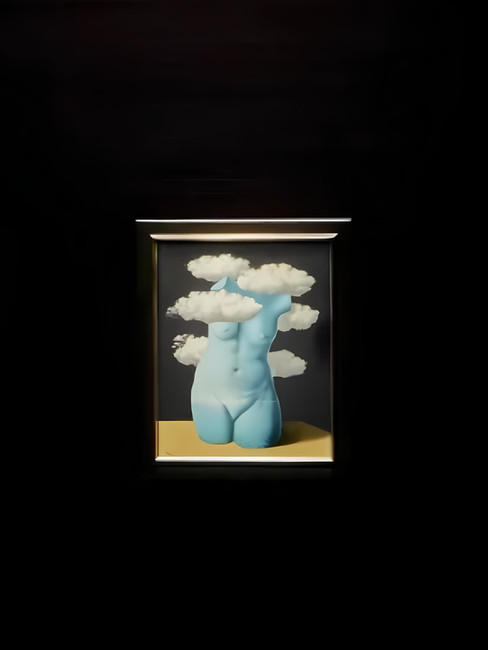

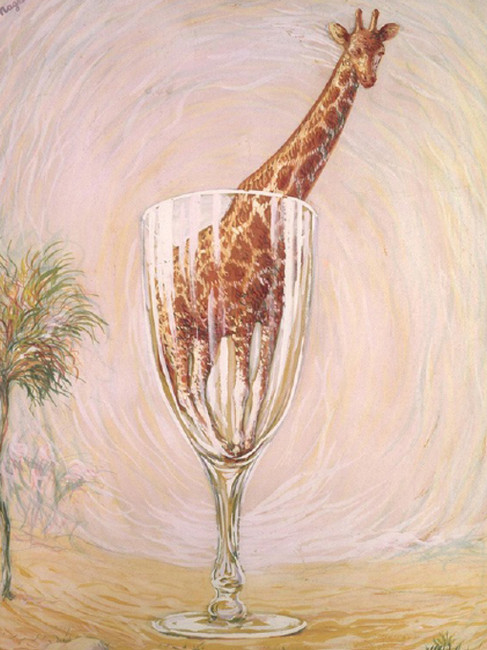
"Interior design should not merely be visual filling, but an elegant rebellion against the 'taken-for-granted'; just as Magritte teaches us, only when objects break free from everyday logic do their vitality and spatial tension emerge." Simon believes that introducing surrealist aesthetics into living spaces is not about replicating bizarre shapes, but about learning from the masters' precise control over proportion and composition. In Simon's works, we often see the harmonious coexistence of opposing elements; this sense of balance stems from his understanding of Magritte's visual dialectic. Beneath the seemingly tranquil order lies a captivating narrative.


With Magritte works gaining popularity in global auction markets and museums, their artistic value and appreciation potential are undeniable. But for Simon, the vision of collecting Magritte lies more in its enlightening power that transcends geographical and temporal boundaries. Through this artistic interpretation, Simon elevates design beyond merely solving functional needs; it becomes a continuous aesthetic dialogue, transforming every corner of the home into a poetic sensory exploration.
If you are passionate about art collecting or wish to integrate art into your residential and commercial spaces, please get in touch with us to collaborate on your next project.


