
Between Light and Shadow: The Dual Language of Glass
Glass is a material we encounter every day, yet it always carries a sense of contradiction and charm. It allows light to flow freely, opening up our vision, while simultaneously drawing invisible boundaries. Transparency hides mystery, and openness fosters intimacy. From residential to commercial spaces, glass's presence goes beyond function; it often determines the feeling and atmosphere of a space. Through changes in light and shadow, reflection, and layering, it shapes the relationship between people and space, and between people and light. Here, we share our observations and explore how glass can showcase the duality of transparency and mystery in design


The true power of glass lies not only in introducing light, but also in how it shapes people's psychological state and spatial experience. Light can affect our physiological rhythms: the soft light of the morning awakens us, while the strong light of the afternoon can bring fatigue. Transparent glass offers a sense of openness, but without privacy, residents may feel exposed or uneasy. Conversely, translucent or textured glass provides a sense of security while allowing light to flow. The key to design lies not in "how much light there is," but in "how light is perceived." In homes, glass can regulate the daily emotional rhythm; in offices, it can influence the atmosphere of focus and collaboration. This psychological balance often determines whether a space is truly comfortable.


Glass plays a unique role in different cultures. European stained glass projects stories into spaces through color and light, creating a solemn and emotional atmosphere; Asian screens and lattice windows showcase another wisdom: the translucent material preserves privacy while allowing light to permeate, forming a subtle and delicate aesthetic. In contemporary design, glass is no longer simply a binary choice between "transparency" and "concealment." It can bring out a more nuanced cultural language through different treatments. Stained glass evokes memories and emotions associated with a brand or space; textured glass allows one to feel the warmth of the material, adding a layer of intimacy to a cold, modern space; layered glass creates multiple visual effects, making one realize that space is not a single dimension, but rather full of stories and layers. The value of glass lies in how it changes the way we see, allowing us to rethink the identity and atmosphere of a space, and continuing the depth of culture within a modern context.
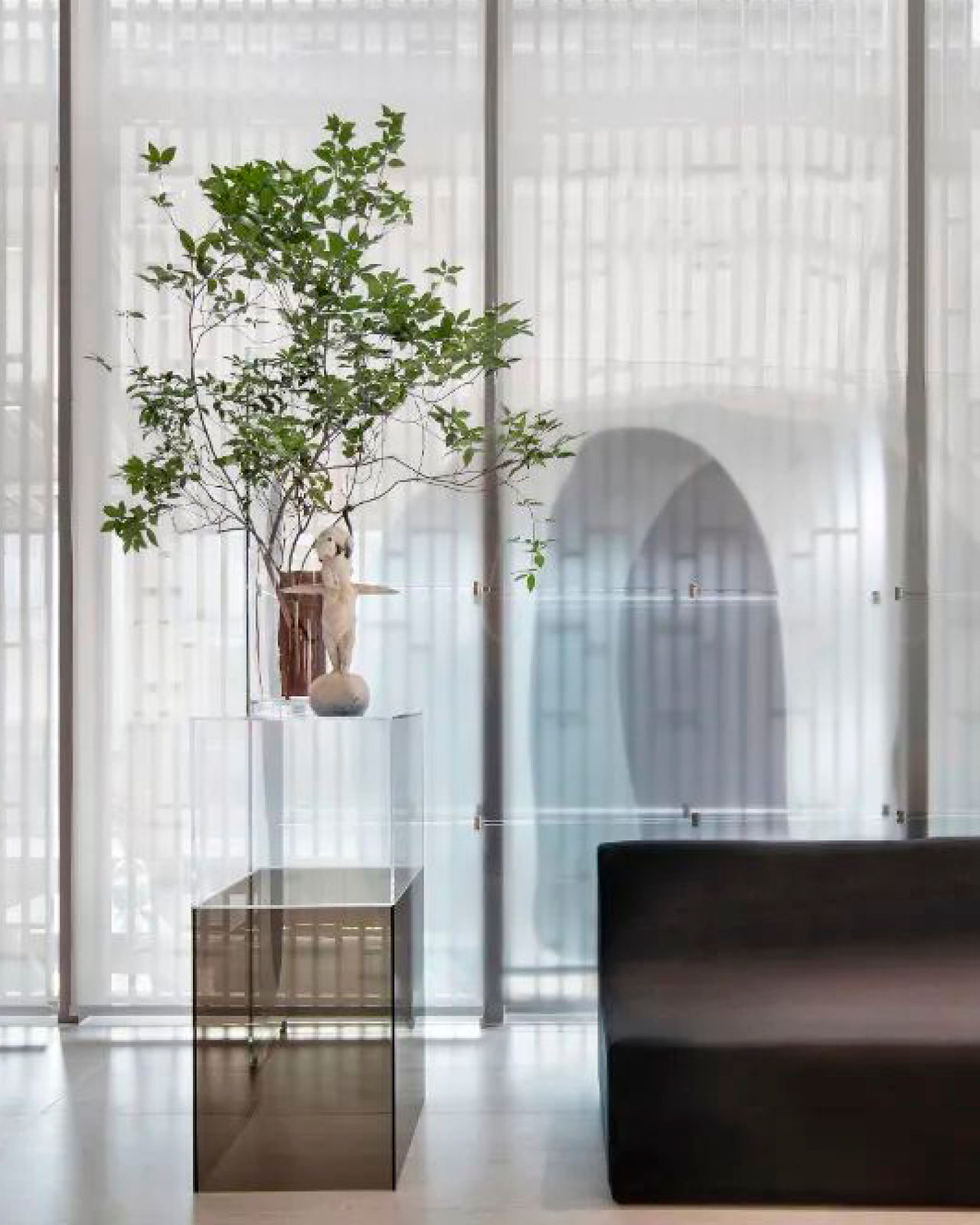

In residences, glass is often an extension of nature, opening up the view while maintaining privacy. It allows residents to experience the changing seasons and the flow of light and shadow in their daily lives. Commercial spaces emphasize the "dual nature" of glass: partitions allow people to see each other while maintaining a quiet working environment; retail or hotel spaces utilize reflection and refraction to create an atmosphere that allows customers to experience both transparency and mystery. This "intimate openness" is glass's most unique language: both displaying and concealing; both bringing people closer and preserving boundaries.
The role of glass is changing. Smart glass can automatically adjust its translucency based on light or temperature, maintaining visual connection while improving energy efficiency. Double-glazed or low-emissivity glass further reduces energy loss, allowing spaces to strike a balance between comfort and sustainability. When designers incorporate these technologies into a space, glass becomes a bridge connecting quality of life and a sustainable future.
The duality of glass—transparency and mystery, openness and intimacy—makes it one of the most intriguing materials in design. It shapes the relationship between people and space, people and light, reminding us that the power of design often lies hidden in these seemingly ordinary surfaces. The next time you enter a space, pay attention to the presence of glass: how it guides light, how it influences the atmosphere, and how it shapes the distance between people. These details are the soul of design.


𝗧𝗵𝗶𝗻𝗸𝗶𝗻𝗴 𝗮𝗯𝗼𝘂𝘁 𝗚𝗹𝗮𝘀𝘀 𝗳𝗿𝗼𝗺 𝗘𝘃𝗲𝗿𝘆𝗱𝗮𝘆 𝗟𝗶𝗳𝗲 𝘁𝗼 𝗗𝗲𝘀𝗶𝗴𝗻
𝙇𝙞𝙜𝙝𝙩 𝘽𝙖𝙡𝙖𝙣𝙘𝙚
Glass can bring in natural light, but the design should avoid "overexposure." In residences, curtains or wood paired with glass can soften the light; in offices, semi-transparent glass partitions can balance communication and focus.


𝘾𝙪𝙡𝙩𝙪𝙧𝙖𝙡 𝘾𝙤𝙣𝙩𝙞𝙣𝙪𝙞𝙩𝙮
Different textures and colors of glass can be used in the design to echo the spirit of the brand or space: frosted glass creates a sense of professionalism, while colored glass brings vibrancy and memorability.
𝙎𝙪𝙨𝙩𝙖𝙞𝙣𝙖𝙗𝙡𝙚 𝙁𝙪𝙩𝙪𝙧𝙚
The role of glass is constantly evolving. Smart glass or double-glazed glass can automatically adjust its light transmittance according to light and temperature, reducing energy consumption while maintaining a comfortable environment. These technologies make glass not just an aesthetic choice, but a response to environmental responsibility in design, finding a new balance between comfort and sustainability for the space.


